English
 Español
 Português
 русский
 Français
 日本語
 Deutsch
 tiếng Việt
 Italiano
 Nederlands
 ภาษาไทย
 Polski
 한국어
 Svenska
 magyar
 Malay
 বাংলা ভাষার
 Dansk
 Suomi
 हिन्दी
 Pilipino
 Türkçe
 Gaeilge
 العربية
 Indonesia
 Norsk
 تمل
 český
 ελληνικά
 український
 Javanese
 فارسی
 தமிழ்
 తెలుగు
 नेपाली
 Burmese
 български
 ລາວ
 Latine
 Қазақша
 Euskal
 Azərbaycan
 Slovenský jazyk
 Македонски
 Lietuvos
 Eesti Keel
 Română
 Slovenski
 मराठी
 Srpski језик


A rain jacket lives or dies on a few square metres of fabric. So why choose High-density Waterproof fabric for outdoor jackets? At Haining Bloom Advance Tarpaulin we make this material for outdoor, industrial and household use, and the reason we recommend it is not a single coating — it is the way a tight weave, a professional waterproof finish and a breathable micro-pore structure work together. This article walks through what we look at when a customer asks for jacket fabric, and where we would suggest something else.
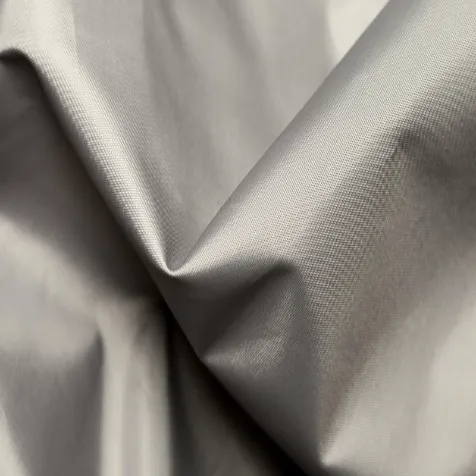
The Short Answer: Why We Recommend It for Jackets
Three things, in the order we give them to a buyer. First, High-density Waterproof fabric uses a high-count, high-density weave, so the gaps between fibres are small before any coating is added. Second, a professional waterproof finishing lifts the protection further and holds it stable over time. Third, the micro-pore design lets air circulate, which is the difference between a jacket you forget you are wearing and one you take off after twenty minutes.
We do not claim it is the right fabric for every garment. For extreme alpine conditions or a fashion shell where drape matters more than weather protection, another construction may win. But for everyday outdoor jackets, rainwear and work shells, this is the material we start with.
What a Rain Jacket Actually Asks of Its Fabric
A jacket is a strange product. It has to keep water out, let sweat escape, survive being stuffed into a bag, and still look decent after a season. Those demands pull in different directions, which is why we look at the whole construction rather than a single waterproof rating.
In our industrial fabric work the same tension appears in protective covers, and the lesson carries over: the weave handles the first contact with water, the finish handles sustained exposure, and the micro-structure handles comfort. If one of those three is missing, the garment fails in the field even if the datasheet looks good.
The Weave Does the First Job
High-density Waterproof fabric adopts high-count and high-density weaving technology. The compact fibre arrangement greatly reduces the tiny gaps inside the material, and that physical structure blocks external droplets and splashes from penetrating the surface. Compared with ordinary common materials, it shows better anti-seepage performance in humid weather and wet working environments.
That matters because it takes the load off the coating. A coating asked to bridge large gaps has to be heavier, stiffer and more likely to crack. Here is the construction we describe to customers who want to understand where the performance comes from.
| What we build in | What it does | Why a jacket buyer cares |
|---|---|---|
| High-count, high-density weave | Reduces tiny gaps between fibres | First barrier against droplets and splash |
| Professional waterproof finishing | Enhances overall protection | Holds up in prolonged wet weather |
| Micro-pore structure | Blocks liquid water, lets air circulate | Reduces stuffiness during wear |
| Tight weaving craft | Tear-resistant, wear-resistant, holds shape | Survives folding, stretching and friction |
| Weather-resistant finish | Resists sunlight, temperature difference, wind and rain | No coating peel or ageing in long outdoor use |
| Wash- and ageing-resistant finish | Keeps core waterproof function after repeat cleaning | Lower replacement cost over the garment life |
If you want to compare how we position this against other weights and finishes, our heavy-duty and premium waterproof fabric pages show the neighbouring options.
Coating and Micro-Pores: The Breathability Balance
The most common complaint about waterproof clothing is not that it leaks — it is that it feels clammy. High-density Waterproof fabric balances waterproof performance with comfortable air permeability through reasonable micro-pore design: liquid water is blocked, while air circulation and moisture dissipation are allowed. Clothes and protective garments made from it avoid stuffiness and sticky feelings during wear.
We still ask about the wearer. A commuter walking to a station and a hiker climbing a slope generate very different amounts of moisture, and no fabric removes that difference. Our honest position is that this material handles normal outdoor activity well, and that we will tell you when a more breathable construction is worth the extra cost.
The Specification Checklist We Work Through
We do not publish one fixed size or weight list, because jacket programmes differ too much. Instead we work through this checklist with every buyer. It is the same list we use for raincoat and cover enquiries.
| What we confirm | Why it matters | What we need from you |
|---|---|---|
| End use | Jacket, raincoat, tent or cover changes the spec | Garment type and expected conditions |
| Water exposure | Drizzle and sustained rain ask for different finishing | Target market and use case |
| Breathability | Micro-pore balance depends on activity level | How hard the wearer works |
| Base fabric and weight | Drives hand feel and durability | A sample or target feel |
| Coating and colour | Must match your brand's hardware and palette | Pantone reference or sample |
| Width and roll length | Affects cutting efficiency and waste | Your cutting layout |
| Compliance | Some markets restrict finishes | Destination country |
| Volume | Affects unit price and lead time | Per-order and annual quantity |
The durable and reinforced waterproof fabric pages give more context on the weight and strength choices if you are still narrowing the spec.
Durability Is a Cost Question
Excellent durability is a key feature of this material. The solid weaving craft makes it tear-resistant, wear-resistant and not easy to deform; frequent folding, stretching and surface friction do not damage the complete structure. It resists strong sunlight, temperature difference and outdoor wind and rain, and long-term outdoor use does not cause coating peeling or fabric ageing.
Why do we talk about cost so much? Because the buying price is only one part of a jacket programme. Returns, replacements and warranty claims cost far more than a small difference per metre. Our tear-resistant all-weather fabric page makes the same argument from the industrial side, and the logic is identical for apparel.
Where Else This Fabric Earns Its Keep
We would rather show you the full application map than sell one use. High-density Waterproof fabric has extremely wide coverage across outdoor, industrial and household products — the same properties that protect a wearer also protect stored goods.
| Application | Fit | Our reasoning |
|---|---|---|
| Outdoor jackets | Best fit | Waterproof, breathable and skin-friendly |
| Raincoats | Best fit | Blocks splash and sustained rain |
| Camping tents | Good | Keeps interior dry and limits mould growth |
| Outdoor cushions | Good | Moisture and stain resistance |
| Machine covers and warehouse tarps | Good | Resists steam, rain and industrial water |
| Transport wrapping | Good | Weather protection in transit |
| Tablecloths and storage bags | Good | Waterproof, dustproof and stain-resistant |
| Balcony shade and pet supplies | Good | Tolerates UV exposure and moisture |
For tents specifically we also supply a dedicated waterproof tent fabric, and for printed outdoor goods our camo waterproof fabric is a useful alternative when appearance is part of the brief.
Environmental and Skin-Contact Considerations
This is where a jacket fabric is different from a truck cover. High-density Waterproof fabric is produced in strict accordance with environmental protection textile standards. The waterproof auxiliary materials used in the coating are safe, odorless and harmless, and the soft, skin-friendly surface ensures comfortable contact with the body.
It also has strong washing resistance and ageing resistance, so repeated cleaning and daily long-term use do not weaken the core waterproof function. Simple maintenance and stable quality are exactly what make the material competitive in the functional fabric market — and what we check before recommending it for a garment that touches skin all day.
Working With Haining Bloom Advance Tarpaulin
Haining Bloom Advance Tarpaulin supplies functional textiles across tarpaulin, flex banner, digital printing, industrial fabric and polyester mesh categories. That range matters here: when we recommend a fabric for a jacket, we are drawing on experience with covers, tarps and outdoor structures that face the same rain and sunlight, not just on a garment datasheet.
Stable quality control and cost-effective production let us support mass procurement and customized processing for different industries. Our about page explains the company, and our product catalogue shows where this material sits alongside the rest of the range. As textile technology keeps improving, we expect this fabric to adapt to more emerging applications — but we will still start every enquiry with the end use.
Frequently Asked Questions
1. Why choose High-density Waterproof fabric for outdoor jackets?
It brings together three things a jacket needs: a tight weave that blocks droplets before the coating has to work, a micro-pore structure that lets air circulate, and a finish that survives folding, friction and repeated washing. One material covers protection, comfort and service life without layering on extra treatments.
2. Is High-density Waterproof fabric breathable, or will it feel stuffy?
The fabric is designed with reasonable micro-pores that block liquid water while allowing air circulation and moisture dissipation. Garments made from it avoid the sticky feeling of a fully sealed film. For a high-output activity we still ask about the wearer's exertion level, because breathability is a balance, not an absolute.
3. How durable is it in long outdoor use?
The solid weaving craft makes it tear-resistant, wear-resistant and not easy to deform. Frequent folding, stretching and surface friction do not break the structure, and it resists strong sunlight, temperature differences and wind and rain. Long-term outdoor use does not cause coating peeling or fabric ageing.
4. Can the same fabric be used for tents and covers?
Yes. Beyond jackets and raincoats, we supply it for camping tents, outdoor cushions, machine protective covers, warehouse tarps and transport wrapping. The waterproof and anti-seepage behaviour that protects a wearer also keeps stored goods dry and limits mould growth.
5. Is High-density Waterproof fabric produced to environmental standards?
It is produced in strict accordance with environmental protection textile standards. The waterproof auxiliary materials used in the coating are safe, odorless and harmless, and the surface is soft and skin-friendly. It also has strong washing resistance and ageing resistance, so repeat cleaning does not weaken the core waterproof function.
6. Can Haining Bloom Advance Tarpaulin handle custom orders and bulk supply?
Yes. Stable quality control and cost-effective production let us support both mass procurement and customized processing. Tell us your end use, target feel, colour and volume, and we will confirm the construction before production. We reply to inquiries within 24 hours.
Talk to Our Team
Need a jacket fabric recommendation you can trust?
Tell us the garment, the weather it will face and the feel you want. We will confirm whether High-density Waterproof fabric is the right construction, or point you to a heavier or more breathable option. You can contact our team or leave a message, and we will reply within 24 hours.