 English
- English
-
 Español
 -
 Português
 -
 русский
 -
 Français
 -
 日本語
日本語 -
 Deutsch
 -
 tiếng Việt
 -
 Italiano
 -
 Nederlands
 -
 ภาษาไทย
 -
 Polski
 -
 한국어
한국어 -
 Svenska
 -
 magyar
 -
 Malay
Malay -
 বাংলা ভাষার
 -
 Dansk
Dansk -
 Suomi
Suomi -
 हिन्दी
 -
 Pilipino
 -
 Türkçe
 -
 Gaeilge
 -
 العربية
 -
 Indonesia
 -
 Norsk
Norsk -
 تمل
تمل -
 český
český -
 ελληνικά
 -
 український
 -
 Javanese
 -
 فارسی
فارسی -
 தமிழ்
தமிழ் -
 తెలుగు
 -
 नेपाली
 -
 Burmese
 -
 български
 -
 ລາວ
ລາວ -
 Latine
 -
 Қазақша
 -
 Euskal
 -
 Azərbaycan
 -
 Slovenský jazyk
 -
 Македонски
 -
 Lietuvos
 -
 Eesti Keel
 -
 Română
 -
 Slovenski
 -
 मराठी
मराठी -
 Srpski језик


Applications of Polyester Mesh
This adaptable material finds employment in several industrial and commercial domains, encompassing the automotive, aerospace, maritime, and medical sectors, in addition to the indoor and outdoor recreational industries.
An overview of polyester mesh, including its qualities, benefits, and uses, is given in the following article. It also describes how polyester and nylon mesh differ from one another and stresses how crucial fabric finishing and treatment are to obtaining a certain end-use result or performance.
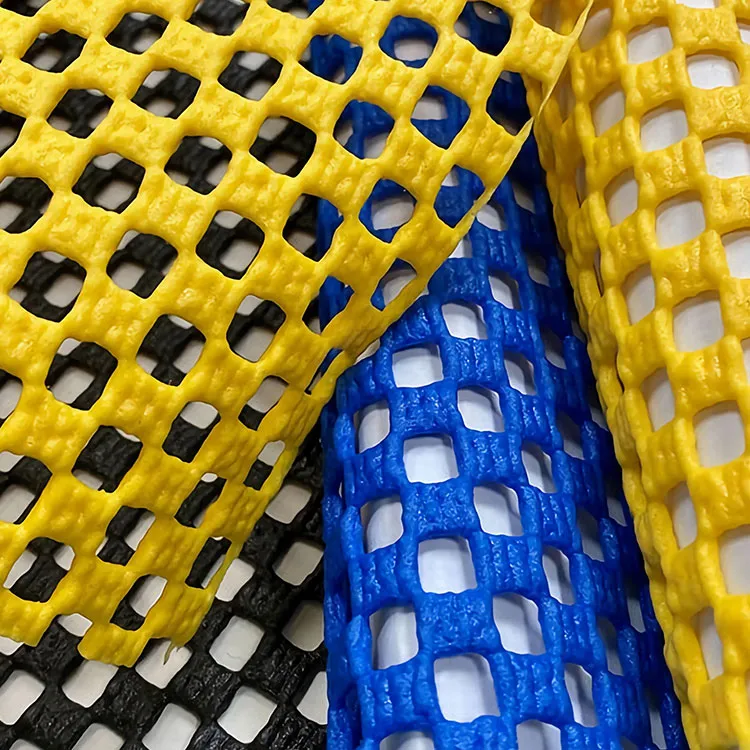
Any material that is created with an open hole structure by knitting is referred to as "knit mesh fabric" in general (as opposed to weaving, which is a different procedure). A knit mesh material's design might differ from another in terms of yarn, material weight, aperture opening, breadth, color, and finish, in addition to this general feature. One of the fibers most frequently utilized in the production of knit mesh fabric is polyester yarn.
Polyester is made up of synthetic polymer fibers that are flexible and are produced by reacting alcohol, carboxylic acid, and a petroleum residue chemically. After that, the fibers are twisted and arranged to create a robust yarn that deters water naturally, is resistant to stains and UV deterioration, and can withstand frequent use.
Send Inquiry


X
We use cookies to offer you a better browsing experience, analyze site traffic and personalize content. By using this site, you agree to our use of cookies.
Privacy Policy